World Cup 2026: Scotland learns from Cape Verde before the match against Morocco
Scotland can learn from Cape Verde's defensive tactics when preparing to face Morocco at the 2026 World Cup.

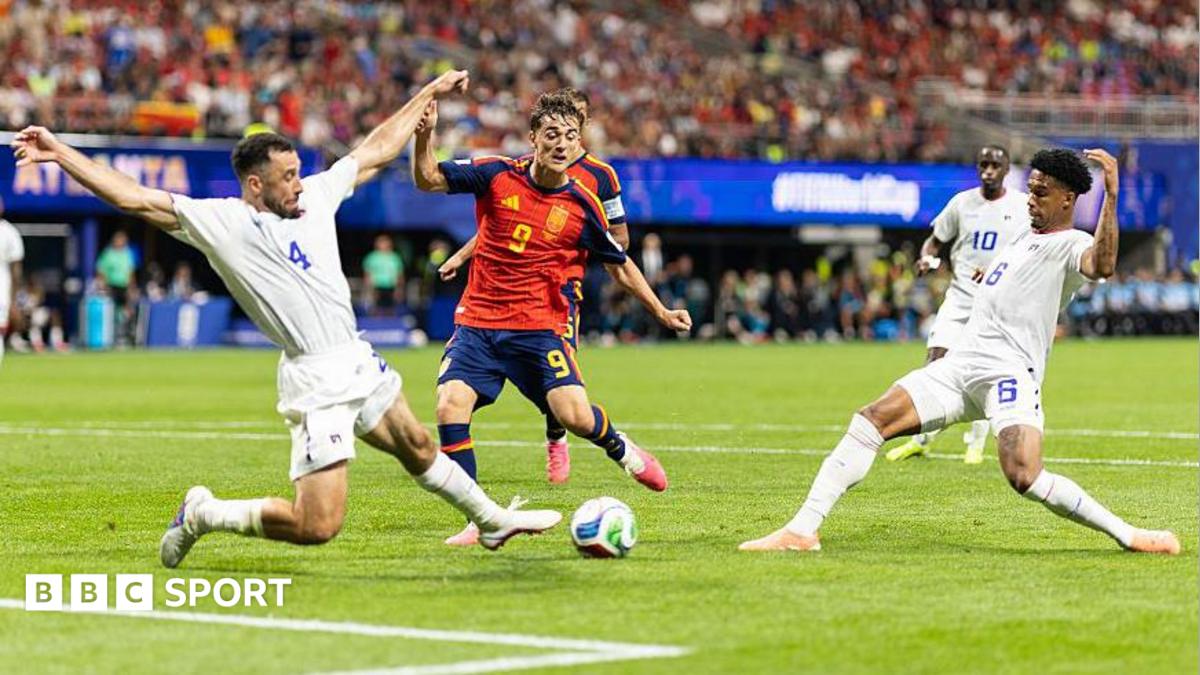
The Tartan Army's amazing march to Boston became the highlight of the 2026 World Cup, but on the field, Cape Verde's unexpected draw against European champions Spain created a huge stir in the tournament. In their World Cup debut, the African team, ranked 67th in the world and with a population of less than 500,000, displayed excellent defensive play to stop a star-studded Spain team, widely expected to be world champions for a second time. Scotland know that if they can replicate Cape Verde's result and take a point from their Group C match against Morocco at Boston Stadium on Friday, they will almost certainly qualify for the knock-out rounds at a major tournament for the first time in their history. So what can Scotland learn from Cape Verde's incredible performance? Grant Hanley and Jack Hendry performed well in Scotland's opening match, both making key interventions as Haiti pressed for an equalizer following John McGinn's opening shot. Whether coach Steve Clarke retains this pair of centre-backs or brings back Scott McKenna – he could switch to a three centre-back formation to use all three – Scotland's entire defensive unit needs to show fierce determination to protect the goal as Cape Verde did so impressively against Spain. "One of the big things that Cape Verde focuses on, and the coach talked about it, is the culture of this country and making sure that everyone is involved in that. If you do that, everyone will work for each other," said former Scotland player Pat Nevin after watching the match at the Atlanta stadium for BBC Radio 5 Live. "Oh, it was fantastic to see the players working for each other. They spent most of their time on their own 18-yard line, not all of it, and when they countered they were very brave and attacked in numbers. To do that and maintain that level of concentration, you can't do it if you're just a group of individuals, you only do it if you're a team, if you trust each other. And that shined through. I watched Sidny Cabral started the game thinking, 'Oh my gosh, it looks like there's going to be a disaster' because of the way he tackled the ball - but you looked at Diney Borges, the same, he looked like a kitten at the start of the game, by the end of the game he was a lion." Former Scotland defender Willie Miller was also impressed with Cape Verde's defensive discipline and emphasized the level of concentration to stop Spain, something Scotland will certainly have to show against Morocco's attacking threats. "Cape Verde used a 4-5-1 formation, they defended deep, they closed quickly on their opponents," said Miller, who played at the 1982 and 1986 World Cups. "Sometimes you need a bit of luck. Their goalkeeper has been in very good form and doesn't look like he's going to lose, but it's a long time to keep that shape. You often feel mentally tired when you have to do a lot without the ball and I think that can be a problem - but that's not a problem for Cape Verde. They have the organisation, the team spirit, the shape, a goalkeeper in good form, limiting any space between the lines." defenders, midfielders and strikers, and then just have the belief that they can pull through and get a draw. That's what we needed against Morocco. While defensive organization and tenacity were the basis of Cape Verde's performance, they maintained a bit of danger on the counter-attack, especially late on, to ease the pressure at the back. The late counter-attack threatened to leave Spain in search of a goal. Scotland will need to apply pressure to Morocco's defense if they are to avoid being pressed into their own penalty area. Former Scotland winger Neil McCann believes the presence of Ben Gannon-Doak, a standout in the match against Haiti, will be vital in helping Scotland advance wing area," McCann said. "He's shown in his career for Scotland that he can play left, right, and get past them as if they weren't there. What I'd like to see him improve on is his final pass. Passing people is not the problem. What matters is what you do once you're in that position. It doesn't matter who he's playing against, it could be [Patrick] Dorgu of Denmark, it could be Achraf Hakimi of Morocco, I still think he will create chances.
Teams
Players